Adopting a cat can be one of the most rewarding decisions you’ll ever make. I know it always has been for me. I’ve had several cats (and dogs) over the years and I have almost always opted for rescues.
Whether you’re a first-time pet owner or an experienced cat lover, choosing to adopt from a shelter comes with its unique set of advantages and challenges. If you’re thinking about adding a feline friend to your home, here’s a little breakdown of the pros and cons.
Pros
- Saving a Life
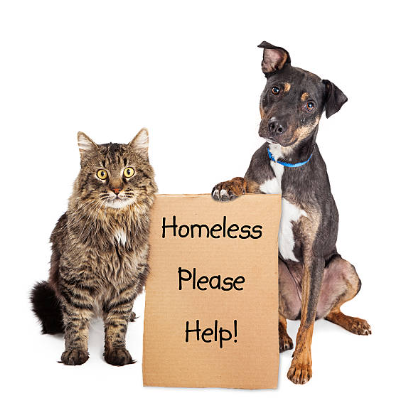
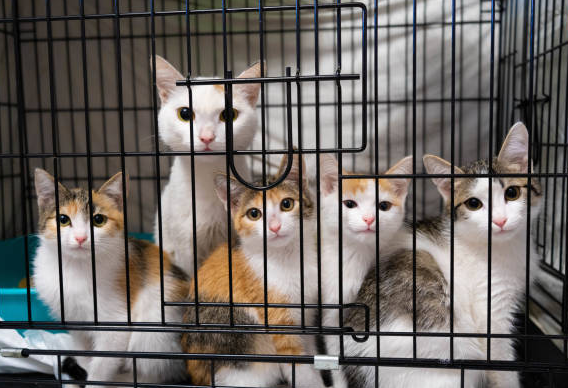
One of the most significant benefits of adopting from a shelter is that you’re giving a homeless cat a second chance at life. Many shelter cats come from unfortunate circumstances, such as being abandoned, neglected, lost, or been a victim of various forms of abuse. By adopting, you’re not only providing a loving home but also freeing up space for other animals in need. - Cost-Effective
Compared to purchasing a cat from a breeder or pet store, adopting from a shelter is much more affordable. Most shelters include the cost of vaccinations, spaying/neutering, and microchipping in the adoption fee. This can save you hundreds of dollars in initial medical expenses. Some shelters also provide initial vet checkups, making it an economically sound choice for pet ownership. - Variety of Cats
Shelters often have a wide variety of cats in terms of age, breed, and temperament. Whether you’re looking for a playful kitten or a calm, older cat, you’re likely to find a feline friend that matches your lifestyle. Additionally, you may come across purebred cats in shelters, so adopting doesn’t mean you’re limited to mixed breeds. - Adult Cats Are Low Maintenance
Many cats in shelters are adults, and they often come with benefits that kittens don’t. Adult cats are usually already trained to use the litter box, they’re more settled in their personalities, and they tend to require less supervision than kittens. For people with busy lifestyles, adopting an adult cat can be a low-maintenance yet rewarding experience. - Supporting Animal Welfare
By adopting from a shelter, you’re directly contributing to the mission of animal welfare organizations. Your adoption helps reduce the demand for irresponsible breeding practices and overcrowded shelters. Additionally, many shelters are nonprofit organizations that rely on adoption fees and donations to continue their important work.
Cons
- Unknown Backgrounds
One of the challenges of adopting from a shelter is that the cat’s history may be unknown. You may not know how they were treated in their previous home or whether they have underlying health or behavioral issues. While shelters do their best to assess the health and temperament of cats, some issues may only become apparent once the cat is in its new environment. - Behavioral Issues
Some shelter cats may have had traumatic experiences or a lack of socialization, which can lead to behavioral challenges such as aggression, anxiety, or fear. These issues can often be overcome with patience, training, and love, but they may require time and effort on the part of the adopter. It’s important to consider whether you’re prepared to help a cat work through any emotional or behavioral hurdles. - Limited Selection of Kittens
While shelters often have a variety of adult cats, the availability of kittens can be limited, especially outside of kitten season (typically spring and summer). If you’re set on adopting a kitten, you may need to wait longer or check with multiple shelters. Adopting an older cat can offer many rewards, but if your heart is set on a kitten, the selection may not always meet your expectations. - Health Concerns
While shelters typically provide necessary vaccinations and medical treatments, some cats may have pre-existing health conditions that aren’t immediately apparent. Chronic conditions like respiratory infections, dental disease, or gastrointestinal issues can arise, and caring for a cat with health concerns can be costly and require additional time and attention. It’s crucial to ask the shelter for a full medical history and ensure you’re financially prepared for any future care needs. I can say here, that every single kitty I’ve adopted over the years has come home with a URI (upper respiratory infection) which is like a cold in humans. They usually give you meds to get your new baby over this affliction. - Adjustment Period
When adopting from a shelter, it’s important to remember that your new cat may take time to adjust to their new home. The shelter environment can be stressful, and the transition to a new family can be overwhelming. Cats are creatures of habit, and changes in their surroundings can lead to temporary withdrawal or stress-related behaviors. This adjustment period requires patience and understanding, as it may take days, weeks or even months for the cat to feel fully comfortable.
Consider These Things Before Adopting
- Your Lifestyle:
Consider your living situation and whether you have enough time and energy to care for a cat. Some cats are more independent, while others need more attention and stimulation. - Other Pets:
If you have other pets, it’s essential to ensure they’ll get along with a new cat. Some shelter cats are marked as “no other pets” because they don’t socialize well with other animals. - Long-Term Commitment:
Cats can live up to 15-20 years or more. Adopting a cat means committing to their care for the long term, including medical expenses, grooming, and daily attention.
Adopting a cat from a shelter is an incredible opportunity to give a loving home to a pet in need, but it comes with its own set of challenges. The joy of saving a life and the companionship of a grateful feline friend can far outweigh any potential drawbacks, but it’s essential to go into the process with eyes wide open.
If you’re prepared to navigate the occasional uncertainties and give a shelter cat the patience and love they deserve, adoption can be one of the most fulfilling decisions you’ll ever make. Just remember, the rewards of a forever home are felt not only by you but by the cat who gets to live out their days surrounded by love and care.
Ciao,