Posted on Leave a comment

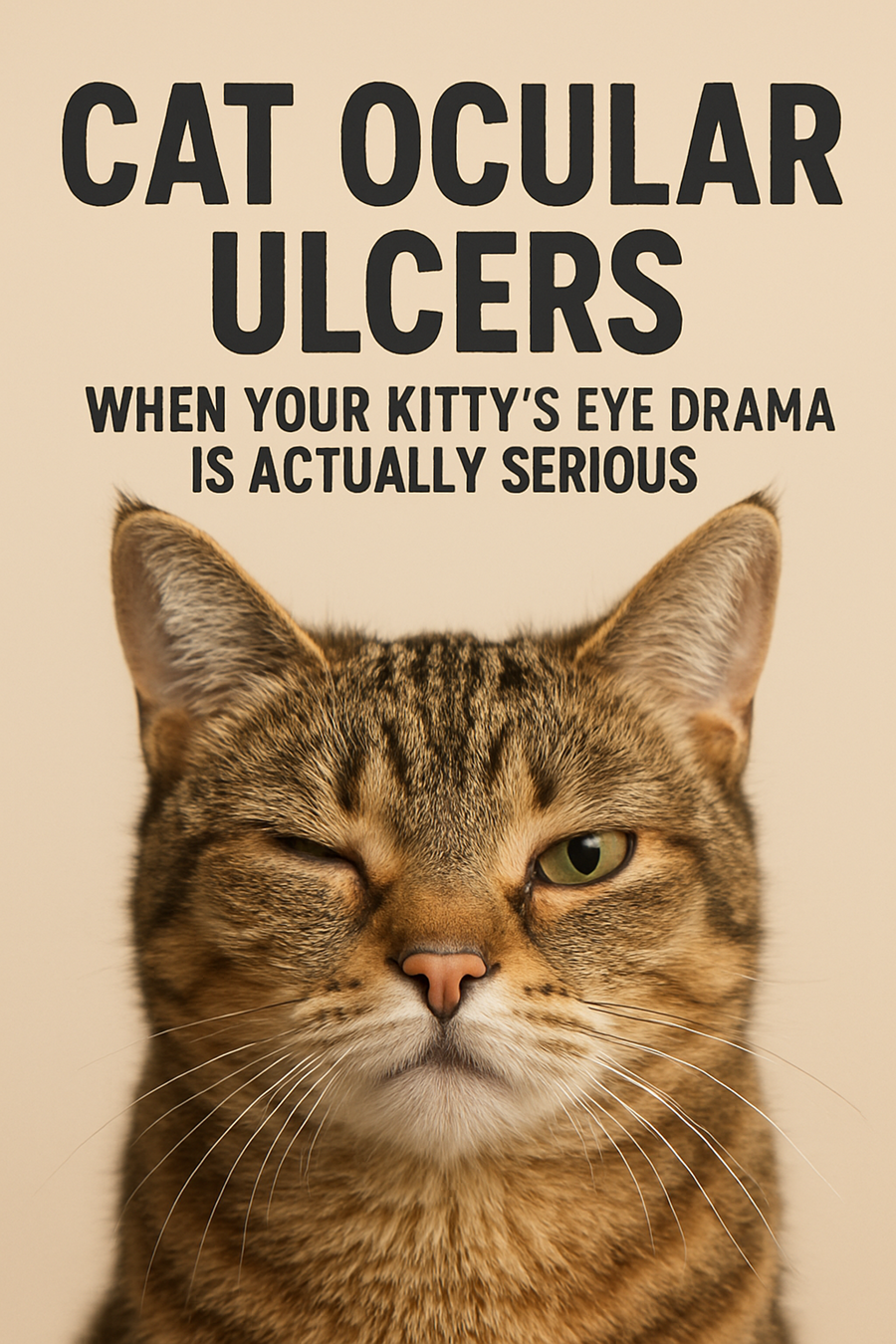
One-Eyed Winks and Vet Bills: Ocular Ulcers in Cats – Ignore At Your Own (and your cat’s) Risk!

Cats are naturally extra. They squint dramatically, paw at their faces like they’re auditioning for a soap opera, and act like the world’s ending when you so much as trim one claw. But sometimes the drama is real—like when they’ve got an ocular ulcer (a.k.a. a corneal ulcer).

Yes, it sounds fancy. No, it’s not glamorous. And yes, you absolutely need to pay attention.

My boy cat Koji is now in treatment for this very thing. Brought him in to the Vet two days ago. They did the stain thing (where they put this dye in the eye and shine a light on it to see how big it is, etc.) He was not happy. My poor “big boy”. I absolutely loathe having to take my babies in to the Vet for anything. At one point he jumped right off the exam table, and it’s a good thing all the doors were closed. He would have been running all over hell’s half acre trying to get away from all these scary humans.

Anyway, he’s now on antibiotic eye ointment for 7 days twice a day. It should go away – providing I can catch him twice a day to administer his medicine. He can be a little asshole – it’s the Scorpio kitty in him.

But how did this even happen?! I’ve been wracking my brain trying to figure it out…

What’s an Ocular Ulcer Anyway?

Think of your cat’s cornea as a clear contact lens built right into their eyeball. An ocular ulcer is basically a scrape, gouge, or sore on that surface. Unlike a tiny scratch on your arm, this one doesn’t just heal quietly. It’s painful, prone to infection, and can threaten your cat’s vision if you shrug it off.

How Do Cats Even Get These?

Oh, the many ways our little chaos goblins manage to hurt themselves…

  1. Trauma: Kitty karate match gone wrong? Claw to the eye. Or maybe your cat just jammed their face into something pointy while “hunting” dust bunnies.
  2. Herpesvirus (the feline kind, not the human kind): Super common in cats, it flares up with stress and can leave corneas weak and ulcer-prone.
  3. Dry Eye: Not enough tears = sad, scratchy eyeball.
  4. Foreign Bodies: Grass seed, dust, random crumb from your floor… cats have a talent for turning lint into a medical crisis.
  5. Chemicals: Sprays, cleaners, or inappropriate eye drops can all irritate and damage.

Signs Your Cat’s Eye Isn’t Just Being “Extra”

  • Squinting like they’re channeling Clint Eastwood
  • Tears streaming like a bad breakup scene
  • Eye looking cloudy or bluish
  • Constant pawing at their face
  • Hissing at the sunlight like a little vampire

If your cat’s rocking any of these symptoms, call your vet. Like – NOW.

Prevention: Save Yourself the Vet Bill (Maybe)

  • Vaccinate against feline herpesvirus (that core vaccine isn’t optional, folks).
  • Trim claws so play-fighting doesn’t become “Fight Club: Eye Edition.”
  • Keep chemicals locked up—your cat doesn’t need to marinate in Lysol fumes.
  • Monitor chronic eye divas (herpes cats, I’m looking at you).
  • Keep cats indoors if possible—less brawling, fewer eye-gouging adventures.

Treatment: What the Vet Will Do (And Your Wallet Will Cry About)

  • Fluorescein stain test: A magical green dye that makes the ulcer glow like something out of a rave.
  • Eye meds: Antibiotic drops, antiviral drops, artificial tears… basically kitty spa treatments for the eyeball.
  • Pain control: Because eye ulcers hurt like crazy.
  • E-collar: The cone of shame, but stylish in its own way.
  • Surgery: In severe cases, the vet may graft tissue onto the eye. Yes, it’s as intense (and expensive) as it sounds.

Bottom Line

Your cat’s eye ulcers are not a “wait and see” thing. The faster you get treatment, the better the chance your cat keeps their sight (and their drama stays theatrical, not medical).

So next time your feline diva gives you the squinty eye, don’t assume it’s cattitude. It might be an ulcer screaming, “Take me to the vet, human!”

👉 Pro Tip from the Snarky Cat Boutique: Eye goo, squinting, or that mysterious “pirate cat look” = not cute, not quirky, not optional.

Get thee to a vet before your kitty goes full Cyclops!

Ciao,

Written for The Cat Whisperer Blog by Annie St. Germain, resident feline affair chronicler at Snarky Cat Boutique. 🐾
Posted on Leave a comment

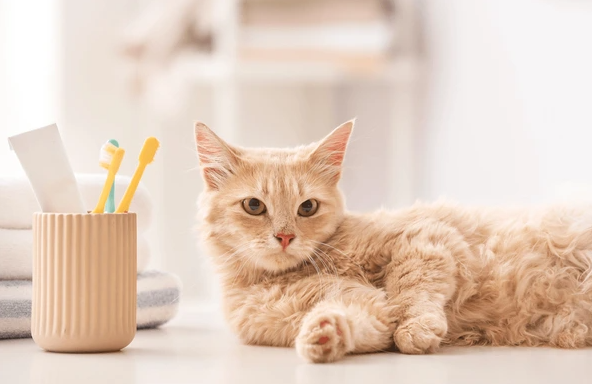
Kitty Got A Toothbrush? Ignoring Oral Health Is Going To Cost You

When it comes to caring for your cat, oral hygiene is often overlooked. However, maintaining your cat’s dental health is essential to prevent issues like plaque, gum disease, and infections that can affect their overall well-being. I would DEFINITELY recommend having kitty dental insurance for this one.

It’s never too late to start caring for your cat’s teeth. There are many pet insurance companies out there that offer this coverage. Just may come in handy some day! One that I would recommend is Lemonade. This is the one I have. Alas, stupid me. I didn’t add the dental coverage when I initially signed up. So, because my plan doesn’t come up for renewal until August of this year (2025), and the fact that both my cats were diagnosed with having mild gingivitis at their annual checkup in March, I will NEVER be able to take advantage of any dental coverage for dental disease. It’s a “pre-existing” condition. FUUUUuuuu….

Don’t know about your Vet, but mine charges a minimum of $800 just for anesthesia and cleaning (and I have two cats so…) Tooth extractions, antibiotics if needed, and whatever else they deem fit – adds to the bill. I’m an idiot. Don’t be an idiot. Get dental insurance.

Long-Term Benefits

Good oral hygiene helps prevent pain, tooth loss, and chronic health issues, leading to a happier, healthier kitty. By prioritizing your cat’s dental care, you can extend their lifespan and keep them comfortable.

Why Cat Oral Hygiene Matters

  1. Prevents Plaque and Tartar: Bacteria in your cat’s mouth can cause plaque, which hardens into tartar, leading to gum irritation and infection.
  2. Reduces Gum Disease: Untreated tartar can cause periodontal disease, which can result in pain, tooth loss, and even affect vital organs if the bacteria spread.
  3. Avoids Tooth Resorption: Proper dental care helps detect and treat this painful condition early.
  4. Prevents Bad Breath: Keeping your cat’s teeth clean reduces foul breath caused by bacteria buildup.
  5. Boosts Overall Health: Good dental hygiene reduces the risk of infections that can impact your cat’s heart, kidneys, and immune system.

Tips for Maintaining Cat Oral Health

  • Regular Brushing: IF you have a cat that will allow you to do this, brushing your cat’s teeth is the best way to prevent plaque buildup. Use cat-specific toothbrushes and toothpaste.
  • Dental Treats and Toys: These can help reduce plaque if your cat is resistant to brushing.
  • Specialized Dental Diets: Certain cat foods are designed to promote dental health.
  • Vet Checkups: Regular veterinary visits are essential for monitoring and cleaning your cat’s teeth.
  • Watch for Warning Signs: Difficulty eating, drooling, pawing at the mouth, and bad breath can signal dental issues.

So be smart and don’t cheap out. Leave your comments below.

Chiao,

Posted on Leave a comment

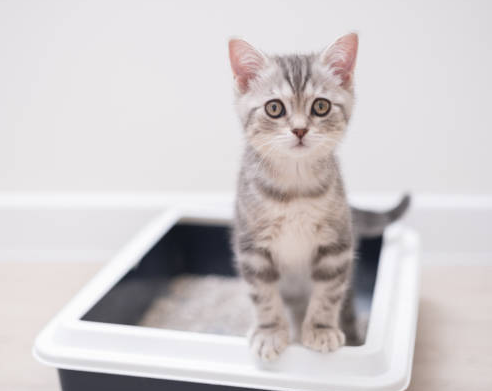
Poo Patrol – How To Find The Litter That Won’t Hurt Fluffy’s Toe Beans

As any cat owner knows, selecting the right cat litter is not as simple as it might seem. Cats, with their sensitive noses and foot pads, can be very particular about the litter they use. In fact, many cats develop aversions to certain types of litter, leading to issues with litter box use. Continue reading Poo Patrol – How To Find The Litter That Won’t Hurt Fluffy’s Toe Beans

Posted on Leave a comment

Spoil Your Pet, Drain Your Bank Account – The Pet Care Industry’s Goldmine

The pet care industry has exploded over the last decade, transforming from a niche market into a multi-billion-dollar global powerhouse. As more people consider their pets part of the family, they’re willing to spend significant amounts of money on everything from premium food to luxury services. But how profitable is this industry, and what impact does it have on the average pet owner?

The Growth and Profitability of the Pet Care Industry

It’s definitely a booming market!

In recent years, the pet care industry has become a financial enterprise. In the U.S. alone, pet industry spending reached over $136 billion in 2022, and global projections suggest continued growth. Factors such as increasing pet ownership, humanization of pets, and rising disposable incomes have fueled this expansion.

  • Pet food accounts for the largest portion of spending, with premium brands leading the market.
  • Pet healthcare, including vet visits, medications, and pet insurance, has seen significant growth.
  • Pet services like grooming, boarding, training, and even pet spas are becoming increasingly popular.

Premiumization

Definition: A marketing and branding strategy that involves increasing the price of a product or service to make it seem more valuable to consumers. WHAAAAT?

Let’s face it, some pet owners are off the chain when it comes to their precious little fur balls. However, let’s talk about “premiumization” for a bit.

One of the driving forces behind the profitability of the pet care industry is the trend toward premiumization. Pet owners are no longer satisfied with basic care. They want the best for their pets, leading to a surge in demand for premium food, organic treats, and high-end products. Pet food companies, in particular, have capitalized on this by offering grain-free, human-grade, and raw diets, all of which come at a higher price point.

  • Pet Technology and Services
    Technology has also entered the pet care space, contributing to its profitability. From smart feeders and GPS-enabled collars to health-tracking apps and interactive toys, the tech sector of pet care is booming. Pet owners are willing to invest in gadgets and services that enhance their pets’ well-being and convenience.

In addition to tech, pet services like grooming, dog walking, and daycare are seeing exponential growth. Pet hotels, luxury boarding facilities, and even pet-specific streaming services (can you believe this one??!!) are catering to the ever-growing demand for convenience and pampering.

  • Pet Insurance
    As more pet owners recognize the financial burden of unexpected vet bills, pet insurance has become a rapidly growing sector. According to industry reports, the global pet insurance market is expected to exceed $15 billion by 2027. This relatively new aspect of pet care offers protection against high-cost treatments and surgeries, further increasing the profitability of the industry while helping pet owners mitigate their financial risks.

So how does all this affect pet owners?

Higher Costs for Basic Care
As the pet care industry grows, pet owners are seeing the impact in their wallets. While advancements in products and services provide better care options, they often come at a premium. For example:

  • Vet care costs have increased significantly due to advanced diagnostics, treatments, and medication. Pet owners may find themselves facing unexpected high bills, especially for emergency or specialized care.
  • Pet food costs have also risen, with premium and specialized diets (grain-free, raw, or organic) becoming the norm for many health-conscious pet parents.

Pet ownership has become a considerable financial commitment. Many owners spend between $1,000 to $2,000 per year on their pets, not including emergencies or long-term healthcare needs. Wow.

Pressure to Spend More on Pets – it’s called “Humanization of Pets”

The industry’s marketing campaigns often play into the idea that pets deserve the same level of care and luxury as their human counterparts. Now we all know that our pets care is extremely important, but there is such a thing as “going over the top”.

This concept, known as the “humanization of pets”, encourages pet owners to splurge on items that may not be essential but are perceived as improving their pet’s quality of life. It’s all about marketing man – and targeting human emotion. What a racquet!

  • High-end pet beds, designer clothing, and even organic shampoos are marketed as must-haves, increasing pressure on pet owners to keep up with the latest trends.
  • Social media plays a role, with influencers and celebrities showing off their pampered pets, creating a culture of keeping up with pet fashion and lifestyle trends.

On The Positive Side – Healthier Pets, but at a Cost

Advances in veterinary care, better nutrition, and the increased availability of pet health products mean that pets are living longer and healthier lives. Pet health supplements, alternative therapies like acupuncture, and cutting-edge medical treatments help extend the life of our furry companions. However, these come with a higher price tag.

  • The expansion of pet insurance has helped alleviate some of these costs for pet owners, but monthly premiums are yet another expense that many families need to consider.
  • The rising costs of prescription pet medications and specialty diets also affect pet owners, especially those managing chronic health conditions in their pets.

Increased Adoption and Ownership

The pet care industry’s growth has also led to more awareness about pet adoption and overall animal welfare. Shelters and rescues benefit from corporate partnerships and sponsorships, allowing them to improve their facilities and increase adoption rates. For many pet owners, the availability of premium care and pet services makes pet ownership more accessible and appealing.

However, with increased pet adoption also comes an increased burden on household finances. Prospective pet owners are encouraged to consider the lifetime costs of pet care, including food, vet bills, and the potential need for emergency services or pet insurance.

The Bottom Line – You have to try and balance love and budget

While the pet care industry is undeniably profitable, pet owners are ultimately the ones driving its growth. Our willingness to invest in our pets’ well-being, health, and happiness creates opportunities for companies to innovate and expand. However, this comes with a responsibility: understanding the financial commitment of pet ownership and making informed choices that balance love and practicality.

Here are a few tips for managing the costs of pet care while still providing the best for your furry friend:

  • Shop smart: Look for deals on pet products and services. Many premium products have budget-friendly alternatives that are equally nutritious or beneficial.
  • Consider pet insurance: If your pet is young and healthy, getting pet insurance early can help you manage unexpected medical expenses later in life.
  • Plan for emergencies: Set aside savings specifically for your pet’s care. Having an emergency fund can help you handle unexpected medical bills without stress.
  • Stick to a budget: I know – hard to do sometimes. Especially when you come across an adorable little toy, piece of clothing (if you’re into that sort of thing), or some other gadget that you think Fluffy will just absolutely LOVE. While it’s tempting to spoil your pet, try make sure you’re not overspending on non-essential items like luxury accessories or trendy tech.

No doubt – the pet care industry’s profitability is a reflection of our deep bond with our pets and our desire to give them the best possible care. While this booming industry offers pet owners more choices than ever, it also presents financial challenges. By staying informed, setting realistic expectations, and making smart financial decisions, pet owners can navigate the growing costs of pet care without sacrificing their pets’ health and happiness.

Ultimately, the love we have for our pets is priceless—but that doesn’t mean it should break the bank!

Ciao,


Posted on Leave a comment

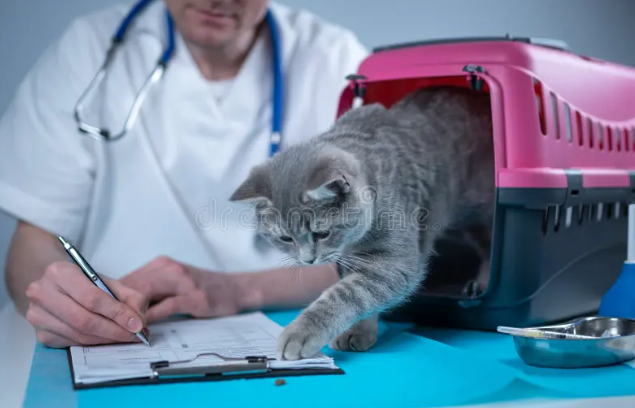
Want Calmer Vet Visits? Try Gabapentin

Taking kitty to the vet can be a stressful experience for both of you. The sounds, smells, and unfamiliar environment can trigger anxiety in even the calmest of cats. Many veterinarians are now using Gabapentin, a medication usually intended for us humans – to calm cats before their visits. Let’s explore what Gabapentin is, how it works, and why vets are turning to this medication to make  visits to the Doc a much better experience for all involved.

What Is Gabapentin?

It’s technically an anticonvulsant and nerve pain medication commonly prescribed for humans to treat conditions like epilepsy, neuropathic pain, and restless leg syndrome. In recent years, veterinarians have discovered that Gabapentin has a calming effect on cats (in doses made exclusively for cats), making it extremely useful for reducing anxiety and stress during vet visits or even times when you’re traveling or grooming your cat.

How does it work in cats?

It affects the neurotransmitters in their little kitty brain that play a role in pain perception and anxiety. The exact mechanism isn’t fully understood, however, it is believed that Gabapentin calms cats by reducing nerve activity in their brain, which helps to ease anxiety and create a sense of calmness.

Cats metabolize Gabapentin differently from humans. The dosages prescribed by vets are carefully calculated based on the cat’s weight, age, and health status. Typically, the medication is administered a few hours before the vet visit to give it enough time to take effect.

Why it’s highly recommended by Vets

Many vets recommend Gabapentin for cats who show signs of severe anxiety, stress, or aggression during vet visits. Here are a few reasons why it has become a go-to solution:

  • It Minimizes Stress: Gabapentin helps reduce the cat’s fear and anxiety, leading to a calmer experience at the vet. This makes it an easier, safer, more pleasant experience for both doctor and cat. Your Vet is able to treat your baby without the added stress of your cat being frightened or worse – aggressive.
  • It Reduces Aggression: Cats can become defensive when they’re scared. Gabapentin helps prevent aggressive behaviors like hissing, scratching, or biting, making the visit safer for both the cat and the veterinary staff.
  • It Eases Physical Discomfort: Cats that suffer from chronic pain, such as arthritis, may benefit from Gabapentin as it also has pain-relieving properties. This can be especially helpful if the vet visit involves a physical examination or procedures that might cause discomfort.
  • It Enhances Overall Well-being: By reducing the stress associated with vet visits, Gabapentin can help improve the overall well-being of the cat. Lowering stress levels can have long-term positive effects on their health.

So, How Do You Administer This Magic Potion?

It’s usually given in liquid or capsule form. I prefer the liquid myself. I mix it right in with their wet food which they get twice a day, morning and evening. My Vet recommends giving the medication 1-2 hours before the vet visit or even one dose the night before and the morning of. Remember, as with any doctors orders, it’s imperative that you follow your vet’s instructions carefully.

Kitty needs the FULL PRESCRIBED DOSE for the medication to be effective. This can sometimes be challenging, as cats are known to be finicky about taking medicine. I recommend mixing the liquid (yes – get the liquid form!) in with their wet food. If your cat doesn’t eat or like wet food, then you may be in for a rougher time. You can always use one of those syringes and put them in “Buritto Hold” and squirt it into the side of their mouth.

Are There Side Effects?

As with any medication, for cats, dogs, humans or Guinea Pigs, side effects may occur. I don’t know if you’ve ever read the paper that comes with any medication that you personally take. The list of side effect is sometimes rather scary. Does that deter you from taking it? I daresay in most instances folks just toss that info and take what the doctor prescribed. Same with Gabapentin and cats. Your Vet won’t prescribe something for Precious that’s gonna kill ‘im or ‘er. Some – mind you, some – cats get overly drowsy, which is mild and temporary. Some cats will experience slight unsteadiness or coordination issues. It’s also been found that in some RARE cases, more serious side effects like vomiting, diarrhea, or allergic reactions can occur. If you notice any of these (again I stress) RARE symptoms – get in touch with your Vet immediately.

Be sure and let your Vet know about any other medications or supplements your cat is taking as well. Gabapentin can interact with other drugs. Same goes for us humans!

In Conclusion

Gabapentin really is a valuable tool for calming your cat before vet visits, making the experience less stressful for both the cat and the veterinary team. But don’t take all this as Gospel. If this topic interests you, please, please, PLEASE – talk to your favorite Veterinarian about it. So take heart my friends. With the right approach, it’s possible to make trips to the vet a much more pleasant experience for you and your kitty.

If you found this post helpful, share it with other cat owners who might benefit from learning a bit about Gabapentin as an option for calming their pets during vet visits. Your feline friend’s next trip to the vet could be much smoother and stress-free!

Ciao,