Posted on Leave a comment

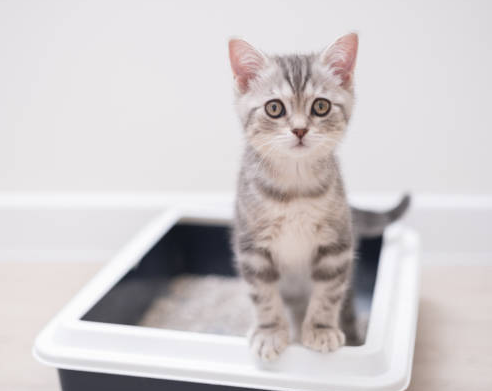
Poo Patrol – How To Find The Litter That Won’t Hurt Fluffy’s Toe Beans

As any cat owner knows, selecting the right cat litter is not as simple as it might seem. Cats, with their sensitive noses and foot pads, can be very particular about the litter they use. In fact, many cats develop aversions to certain types of litter, leading to issues with litter box use. Continue reading Poo Patrol – How To Find The Litter That Won’t Hurt Fluffy’s Toe Beans

Posted on Leave a comment

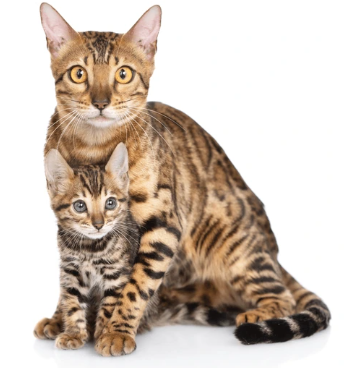
The Great Cat Debate: Is It Better to Have One Cat or Two?

Deciding whether to have one cat or two can be a common dilemma for seasoned and prospective cat owners alike.

Either choice comes with its own set of benefits and challenges. Your decision will ultimately depend on several factors; your living situation, your lifestyle, and even your financial situation. The following information may help you decide what’s best for everyone involved.

One Cat: The Solo Feline Experience

Pros:

  1. Less Complexity: Managing one cat generally requires less coordination compared to having two. You only need to focus on one cat’s health, grooming, and behavioral needs, making it simpler to provide tailored care.
  2. Lower Costs: The financial commitment is more straightforward with one cat. You’ll only need to budget for one set of vaccinations, food, litter, of course – toys, and vet visits.
  3. Focused Attention: A single cat can enjoy undivided attention and affection from you. This can be ideal if you have a busy schedule or prefer to focus your attention on one pet.
  4. Easier to Travel: If you travel frequently or have a busy lifestyle, it’s easier to arrange care for one cat. Finding a pet sitter or making arrangements for one cat can be less complicated.

Cons:

  1. Loneliness: Cats are social creatures, and a single cat might experience loneliness or boredom when you’re away. This can lead to behavioral issues or separation anxiety.
  2. Lack of Playmate: Without a feline companion, your cat might miss out on the benefits of interactive play and socialization that another cat can provide.
  3. Increased Human Dependency: A single cat might rely heavily on you for stimulation and interaction, which can be demanding if you’re often busy.

Two Cats: The Dynamic Duo

Pros:

  1. Companionship: Having two cats can provide each with a constant playmate and companion. They bounce off one another and this can reduce loneliness and boredom, especially when you’re not at home.
  2. Behavioral Benefits: Cats often entertain and groom each other (I know mine do), which can lead to healthier and more balanced behavior. They can help each other manage stress and stay active.
  3. Reduced Separation Anxiety: Two cats can help each other adjust to periods of separation from their human family members, potentially reducing anxiety and loneliness.
  4. Socialization: Cats that grow up together or are introduced properly tend to socialize well, and having a second cat can enrich their social skills and overall happiness.

Cons:

  1. Increased Costs: The financial commitment definitely doubles with two cats. You’ll need to budget for twice the food, litter, toys, and veterinary care.
  2. More Space Needed: Two cats may require more space to avoid territorial disputes. If you live in a small apartment or have limited space, this can be a significant consideration.
  3. Potential for Conflict: Introducing a new cat to your home can sometimes lead to conflicts or territorial issues, especially if the cats do not get along initially. Proper introductions and patience are key. When I took home two cats from the local animal shelter, I retrieved them a day apart and they were only a month apart in age – 4 and 5 months. At first there was a lot of sniffing, spitting, hissing and growling going on, but now – they really love each other, play fight, groom one another and really seem chill with each other’s company.
  4. Travel and Care: While having two cats can provide companionship for each other, finding care for two cats when you travel can be more challenging and costly.

Making the Decision

It’s really based on your personal situation and preferences:

  • Time and Attention: If you have the time and energy to dedicate to two cats, they can provide each other with valuable companionship. If your schedule is tight, one cat might be easier to manage.
  • Financial Considerations: Consider your budget for pet care. Two cats will require more resources, but the benefits of their companionship might outweigh the costs for some owners.
  • Living Space: Evaluate your living space and whether it can comfortably accommodate multiple cats. Cats need space to roam and places to retreat, so make sure you have enough room for both.
  • Personal Preferences: Reflect on your lifestyle and how much interaction you can realistically provide. If you prefer a quieter home with less complexity, one cat might be ideal. If you’re up for the challenge and can provide for them, two cats can offer a lively and engaging dynamic. Mine keep me entertained that is for sure!

Ultimately, both one cat and two cats can make wonderful companions. I’ve always had just one cat. I never thought I would have more than one cat at a time. But I do not regret getting both of them for one minute. They each have distinct personalities, and I bonded with them right away – without hesitation. Yes, this means twice the food, Vet bills, etc., etc. but I say it’s so worth it! They keep me entertained, and they keep each other entertained when I’m otherwise occupado.

The best choice is one that fits your lifestyle and ensures that your feline friends are happy and healthy. Whether you go for the solo experience or the dynamic duo, what matters most is the love and care you provide.

Remember to check out our latest collection of stylish and snarky cat themed totes, coaster sets, mugs and other kitty accessories at Snarky Cat Boutique to pamper your pets in style!

Stay pawsitive and keep those tails straight up in the air!

Ciao,

Posted on Leave a comment

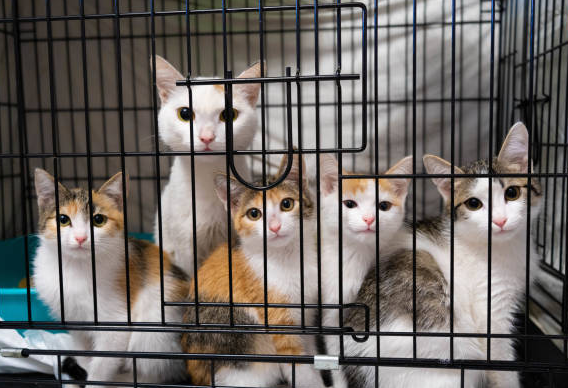
Adopting A Shelter Cat – Rewards and Responsibility

Adopting a cat can be one of the most rewarding decisions you’ll ever make. I know it always has been for me. I’ve had several cats (and dogs) over the years and I have almost always opted for rescues.

Whether you’re a first-time pet owner or an experienced cat lover, choosing to adopt from a shelter comes with its unique set of advantages and challenges. If you’re thinking about adding a feline friend to your home, here’s a little breakdown of the pros and cons.

Pros

  • Saving a Life
    One of the most significant benefits of adopting from a shelter is that you’re giving a homeless cat a second chance at life. Many shelter cats come from unfortunate circumstances, such as being abandoned, neglected, lost, or been a victim of various forms of abuse. By adopting, you’re not only providing a loving home but also freeing up space for other animals in need.
  • Cost-Effective
    Compared to purchasing a cat from a breeder or pet store, adopting from a shelter is much more affordable. Most shelters include the cost of vaccinations, spaying/neutering, and microchipping in the adoption fee. This can save you hundreds of dollars in initial medical expenses. Some shelters also provide initial vet checkups, making it an economically sound choice for pet ownership.
  • Variety of Cats
    Shelters often have a wide variety of cats in terms of age, breed, and temperament. Whether you’re looking for a playful kitten or a calm, older cat, you’re likely to find a feline friend that matches your lifestyle. Additionally, you may come across purebred cats in shelters, so adopting doesn’t mean you’re limited to mixed breeds.
  • Adult Cats Are Low Maintenance
    Many cats in shelters are adults, and they often come with benefits that kittens don’t. Adult cats are usually already trained to use the litter box, they’re more settled in their personalities, and they tend to require less supervision than kittens. For people with busy lifestyles, adopting an adult cat can be a low-maintenance yet rewarding experience.
  • Supporting Animal Welfare
    By adopting from a shelter, you’re directly contributing to the mission of animal welfare organizations. Your adoption helps reduce the demand for irresponsible breeding practices and overcrowded shelters. Additionally, many shelters are nonprofit organizations that rely on adoption fees and donations to continue their important work.

Cons

  • Unknown Backgrounds
    One of the challenges of adopting from a shelter is that the cat’s history may be unknown. You may not know how they were treated in their previous home or whether they have underlying health or behavioral issues. While shelters do their best to assess the health and temperament of cats, some issues may only become apparent once the cat is in its new environment.
  • Behavioral Issues
    Some shelter cats may have had traumatic experiences or a lack of socialization, which can lead to behavioral challenges such as aggression, anxiety, or fear. These issues can often be overcome with patience, training, and love, but they may require time and effort on the part of the adopter. It’s important to consider whether you’re prepared to help a cat work through any emotional or behavioral hurdles.
  • Limited Selection of Kittens
    While shelters often have a variety of adult cats, the availability of kittens can be limited, especially outside of kitten season (typically spring and summer). If you’re set on adopting a kitten, you may need to wait longer or check with multiple shelters. Adopting an older cat can offer many rewards, but if your heart is set on a kitten, the selection may not always meet your expectations.
  • Health Concerns
    While shelters typically provide necessary vaccinations and medical treatments, some cats may have pre-existing health conditions that aren’t immediately apparent. Chronic conditions like respiratory infections, dental disease, or gastrointestinal issues can arise, and caring for a cat with health concerns can be costly and require additional time and attention. It’s crucial to ask the shelter for a full medical history and ensure you’re financially prepared for any future care needs. I can say here, that every single kitty I’ve adopted over the years has come home with a URI (upper respiratory infection) which is like a cold in humans. They usually give you meds to get your new baby over this affliction.
  • Adjustment Period
    When adopting from a shelter, it’s important to remember that your new cat may take time to adjust to their new home. The shelter environment can be stressful, and the transition to a new family can be overwhelming. Cats are creatures of habit, and changes in their surroundings can lead to temporary withdrawal or stress-related behaviors. This adjustment period requires patience and understanding, as it may take days, weeks or even months for the cat to feel fully comfortable.

Consider These Things Before Adopting

  • Your Lifestyle:
    Consider your living situation and whether you have enough time and energy to care for a cat. Some cats are more independent, while others need more attention and stimulation.
  • Other Pets:
    If you have other pets, it’s essential to ensure they’ll get along with a new cat. Some shelter cats are marked as “no other pets” because they don’t socialize well with other animals.
  • Long-Term Commitment:
    Cats can live up to 15-20 years or more. Adopting a cat means committing to their care for the long term, including medical expenses, grooming, and daily attention.

Adopting a cat from a shelter is an incredible opportunity to give a loving home to a pet in need, but it comes with its own set of challenges. The joy of saving a life and the companionship of a grateful feline friend can far outweigh any potential drawbacks, but it’s essential to go into the process with eyes wide open.

If you’re prepared to navigate the occasional uncertainties and give a shelter cat the patience and love they deserve, adoption can be one of the most fulfilling decisions you’ll ever make. Just remember, the rewards of a forever home are felt not only by you but by the cat who gets to live out their days surrounded by love and care.

Ciao,

Posted on Leave a comment

Blame It On Mom and Dad – The Role Of Genetics In Your Cat’s Personality

Cats are known for their unique and varied personalities—some are affectionate lap lovers, while others are independent or aloof. While environment and socialization are important factors in shaping a cat’s behavior, genetics play a major role in determining a cat’s temperament. Just as a cat inherits their fur color or eye shape from their parents, many aspects of their personality are written in their DNA.

What Is Cat Temperament?

Temperament refers to a cat’s inherent personality traits, including how they respond to their environment, interact with people and other animals, and cope with new or stressful situations. Key aspects of temperament include:

  • Sociability: Whether a cat enjoys interacting with humans and other animals.
  • Aggression: How likely a cat is to react with aggression when stressed or threatened.
  • Fearfulness: The tendency to be nervous or cautious in new situations.
  • Playfulness: How energetic and curious a cat is, particularly in relation to hunting or playful behaviors.
  • Vocalization: How much kitty “talks” to communicate with their human.

Genetic Basis

Genetics provide the foundation for many aspects of a cat’s personality. Research shows that temperament traits are often inherited, meaning kittens can inherit their sociability, aggression, or playfulness from their parents.

For instance, a study on domestic cats found that kittens from friendly, outgoing mothers were more likely to be social and confident themselves. Interestingly, the father’s temperament can also influence the kittens, even if the kittens are raised by a surrogate mother. This suggests that both parents pass on traits that affect a kitten’s behavior.

Sociability

One of the most sought-after traits in a pet cat is sociability—their ability to interact comfortably with humans and other animals. Genetics play a significant role in determining whether a cat will be a social butterfly or more reserved. Cats with confident, friendly parents are more likely to be outgoing themselves, whereas cats born to more anxious or aloof parents may inherit these traits.

Aggression

Aggression is another trait that can be inherited. Cats with a genetic predisposition toward aggression may be more reactive or territorial. For example, certain breeds, like Siamese, are known for their strong-willed nature and can be more aggressive under stress, while others, like Ragdolls and Maine Coons, are generally more docile.

Although genetics can predispose a cat to be more aggressive, early socialization and proper care can help manage these tendencies. Nonetheless, genetics remain a core factor in how a cat processes stress and reacts to threats.

Fearfulness

Genetics also influence a cat’s tendency toward fearfulness. Cats that are more skittish or easily frightened often inherit this behavior from one or both parents. This trait can be adaptive in the wild, where caution helps protect them from predators. However, in a domestic setting, excessive fearfulness can cause stress and affect their quality of life. Certain breeds, such as Persians, may be more cautious or shy, while others, like Abyssinians, tend to be bolder and more curious.

Playfulness and Energy Levels

Playfulness, often tied to a cat’s prey drive, is another trait shaped by genetics. Cats that come from active, playful parents are more likely to exhibit high energy levels themselves. Breeds like Bengals and Abyssinians are known for their playful and curious nature, while more sedentary breeds, such as British Shorthairs, are typically more reserved.

Vocalization

Ever wonder why some cats are chatterboxes while others are silent observers? Genetics also play a role in how vocal your cat is. Breeds like the Siamese are known for being highly vocal, using their voices to communicate with their owners. This trait has been passed down through selective breeding, making certain cats more talkative by nature.

Breed-Specific Temperaments

Certain cat breeds are known for specific temperament traits, which have been selectively bred over generations. While individual personalities will always vary, breed can offer some insight into what to expect from your cat’s behavior. For example:

  • Siamese: Social, vocal, and active.
  • Maine Coon: Friendly, laid-back, and gentle.
  • Persian: Calm, quiet, and affectionate.
  • Bengal: Energetic, playful, and adventurous.
  • Ragdoll: Affectionate, docile, and relaxed.

These breed-specific traits highlight how genetics shape a cat’s personality, but it’s important to remember that even within breeds, individual cats can vary widely in temperament.

How Environment Interacts with Genetics

While genetics definitely plays a good part in a cat’s temperament, early life experiences and environment play a key role in shaping how these traits manifest. The critical period for a kittens socialization period occurs between two to seven weeks of age. During this time, positive experiences with people, other animals, and new environments can help a kitten grow into a confident, well-adjusted adult.

For example, a kitten with a genetic predisposition toward fearfulness can become more confident with proper handling and socialization. Likewise, a naturally aggressive kitten might learn to be more tolerant with early, positive interactions.

However, genetics cannot be entirely overridden by a kittens early treatment and experiences. A genetically shy or fearful cat may never become as outgoing as one born with a sociable temperament, even with the best socialization.

To Summarize

That said, genetics play a significant role in shaping a cat’s temperament, influencing traits like sociability, aggression, fearfulness, playfulness, and vocalization. While environment and early socialization are important factors in shaping a cat’s behavior, many aspects of a cat’s personality are inherited from their parents.

Understanding the genetic influence on your cat’s temperament can help you better care for them, providing the right environment and support for their unique personality. Whether your cat is a playful ball of energy or a quiet, independent observer, their genes are the foundation of the temperament you see every day.

Embrace your kitty’s uniqueness!

Ciao,

Posted on Leave a comment

Spoil Your Pet, Drain Your Bank Account – The Pet Care Industry’s Goldmine

The pet care industry has exploded over the last decade, transforming from a niche market into a multi-billion-dollar global powerhouse. As more people consider their pets part of the family, they’re willing to spend significant amounts of money on everything from premium food to luxury services. But how profitable is this industry, and what impact does it have on the average pet owner?

The Growth and Profitability of the Pet Care Industry

It’s definitely a booming market!

In recent years, the pet care industry has become a financial enterprise. In the U.S. alone, pet industry spending reached over $136 billion in 2022, and global projections suggest continued growth. Factors such as increasing pet ownership, humanization of pets, and rising disposable incomes have fueled this expansion.

  • Pet food accounts for the largest portion of spending, with premium brands leading the market.
  • Pet healthcare, including vet visits, medications, and pet insurance, has seen significant growth.
  • Pet services like grooming, boarding, training, and even pet spas are becoming increasingly popular.

Premiumization

Definition: A marketing and branding strategy that involves increasing the price of a product or service to make it seem more valuable to consumers. WHAAAAT?

Let’s face it, some pet owners are off the chain when it comes to their precious little fur balls. However, let’s talk about “premiumization” for a bit.

One of the driving forces behind the profitability of the pet care industry is the trend toward premiumization. Pet owners are no longer satisfied with basic care. They want the best for their pets, leading to a surge in demand for premium food, organic treats, and high-end products. Pet food companies, in particular, have capitalized on this by offering grain-free, human-grade, and raw diets, all of which come at a higher price point.

  • Pet Technology and Services
    Technology has also entered the pet care space, contributing to its profitability. From smart feeders and GPS-enabled collars to health-tracking apps and interactive toys, the tech sector of pet care is booming. Pet owners are willing to invest in gadgets and services that enhance their pets’ well-being and convenience.

In addition to tech, pet services like grooming, dog walking, and daycare are seeing exponential growth. Pet hotels, luxury boarding facilities, and even pet-specific streaming services (can you believe this one??!!) are catering to the ever-growing demand for convenience and pampering.

  • Pet Insurance
    As more pet owners recognize the financial burden of unexpected vet bills, pet insurance has become a rapidly growing sector. According to industry reports, the global pet insurance market is expected to exceed $15 billion by 2027. This relatively new aspect of pet care offers protection against high-cost treatments and surgeries, further increasing the profitability of the industry while helping pet owners mitigate their financial risks.

So how does all this affect pet owners?

Higher Costs for Basic Care
As the pet care industry grows, pet owners are seeing the impact in their wallets. While advancements in products and services provide better care options, they often come at a premium. For example:

  • Vet care costs have increased significantly due to advanced diagnostics, treatments, and medication. Pet owners may find themselves facing unexpected high bills, especially for emergency or specialized care.
  • Pet food costs have also risen, with premium and specialized diets (grain-free, raw, or organic) becoming the norm for many health-conscious pet parents.

Pet ownership has become a considerable financial commitment. Many owners spend between $1,000 to $2,000 per year on their pets, not including emergencies or long-term healthcare needs. Wow.

Pressure to Spend More on Pets – it’s called “Humanization of Pets”

The industry’s marketing campaigns often play into the idea that pets deserve the same level of care and luxury as their human counterparts. Now we all know that our pets care is extremely important, but there is such a thing as “going over the top”.

This concept, known as the “humanization of pets”, encourages pet owners to splurge on items that may not be essential but are perceived as improving their pet’s quality of life. It’s all about marketing man – and targeting human emotion. What a racquet!

  • High-end pet beds, designer clothing, and even organic shampoos are marketed as must-haves, increasing pressure on pet owners to keep up with the latest trends.
  • Social media plays a role, with influencers and celebrities showing off their pampered pets, creating a culture of keeping up with pet fashion and lifestyle trends.

On The Positive Side – Healthier Pets, but at a Cost

Advances in veterinary care, better nutrition, and the increased availability of pet health products mean that pets are living longer and healthier lives. Pet health supplements, alternative therapies like acupuncture, and cutting-edge medical treatments help extend the life of our furry companions. However, these come with a higher price tag.

  • The expansion of pet insurance has helped alleviate some of these costs for pet owners, but monthly premiums are yet another expense that many families need to consider.
  • The rising costs of prescription pet medications and specialty diets also affect pet owners, especially those managing chronic health conditions in their pets.

Increased Adoption and Ownership

The pet care industry’s growth has also led to more awareness about pet adoption and overall animal welfare. Shelters and rescues benefit from corporate partnerships and sponsorships, allowing them to improve their facilities and increase adoption rates. For many pet owners, the availability of premium care and pet services makes pet ownership more accessible and appealing.

However, with increased pet adoption also comes an increased burden on household finances. Prospective pet owners are encouraged to consider the lifetime costs of pet care, including food, vet bills, and the potential need for emergency services or pet insurance.

The Bottom Line – You have to try and balance love and budget

While the pet care industry is undeniably profitable, pet owners are ultimately the ones driving its growth. Our willingness to invest in our pets’ well-being, health, and happiness creates opportunities for companies to innovate and expand. However, this comes with a responsibility: understanding the financial commitment of pet ownership and making informed choices that balance love and practicality.

Here are a few tips for managing the costs of pet care while still providing the best for your furry friend:

  • Shop smart: Look for deals on pet products and services. Many premium products have budget-friendly alternatives that are equally nutritious or beneficial.
  • Consider pet insurance: If your pet is young and healthy, getting pet insurance early can help you manage unexpected medical expenses later in life.
  • Plan for emergencies: Set aside savings specifically for your pet’s care. Having an emergency fund can help you handle unexpected medical bills without stress.
  • Stick to a budget: I know – hard to do sometimes. Especially when you come across an adorable little toy, piece of clothing (if you’re into that sort of thing), or some other gadget that you think Fluffy will just absolutely LOVE. While it’s tempting to spoil your pet, try make sure you’re not overspending on non-essential items like luxury accessories or trendy tech.

No doubt – the pet care industry’s profitability is a reflection of our deep bond with our pets and our desire to give them the best possible care. While this booming industry offers pet owners more choices than ever, it also presents financial challenges. By staying informed, setting realistic expectations, and making smart financial decisions, pet owners can navigate the growing costs of pet care without sacrificing their pets’ health and happiness.

Ultimately, the love we have for our pets is priceless—but that doesn’t mean it should break the bank!

Ciao,