Posted on Leave a comment

Why Won’t My Cat Eat This Food?

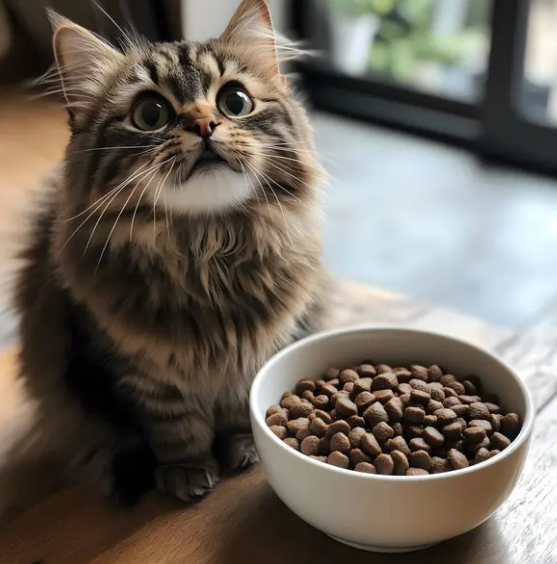
Alright, fellow cat owners, gather around. We need to talk. If you’re anything like me, you’ve probably found yourself staring at your cat, spoon in hand, and thinking, What the actual F! “Why won’t you just eat this food?! It cost me more than my last meal at that fancy restaurant I went to!” And then, as you gently slide the plate toward their royal highness, they look at you like you’ve just served them a plate of mushy peas covered in dirt. Or worse, they might just turn their back on you entirely. Not even a glance. So, what gives?

Let me paint you a not-so-pretty little picture. You’ve spent hundreds—yes, hundreds—on every flavor, texture, brand, and shape of cat food under the sun. Organic. Grain-free. Gluten-free. A blend of wild-caught salmon and locally sourced quinoa, (is that really a thing?) but your little dahlink is having NONE of it. AHHHHHHHH!!! The nerve.

So what the H is going on? Read on for some freaky feline reasoning…

  1. Because She’s a Cat. Purrrr and simple.

Let’s get this out of the way first: your cat is a creature of chaos and mystery. He/She will not be reasoned with. He/She will not be dictated to. They will, however, stare at you in disgust as you try to offer them anything resembling a meal that doesn’t meet their ridiculously high standards. Cats are finicky by nature, and they can be super picky about food. Just because you spent $50 on a fancy can of pâté doesn’t mean they will deign to even smell it. They’re not going to eat it because you’ve spent money on it. If only humans could be that easy to please.

  1. Texture: The Hidden Dealbreaker

You thought you were so clever, picking up that gourmet pâté or that bone broth soaked kibble. The label says it’s for “sophisticated taste buds or the fussiest of kitties”. Unh huh. Sure. Sounds great. But your cat? They just look at that smooth, wet mess like it’s the worst thing they’ve ever seen. No way are they going to eat that mushy food. You’d think you were trying to feed them a bowl of oranges with garlic (furballs don’t like that stuff). They need crunch. They need that particular texture that says, “I’m a hunter. I’m a warrior. I need something to take a few cautious bites of before I leave my food behind to wither away in the bowl.”

But you, in your infinite wisdom, decide to try soft, moist food again, thinking, “Maybe this time?” Spoiler alert: Guess again. Cats don’t just eat. They’re connoisseurs, and that texture just isn’t right. Have fun with that $50 4 lb. bag of kibble that will never see the light of day.

  1. The “I’ll Only Eat It If It’s the Most Expensive Option” Syndrome

Ah, the golden rule of the feline kingdom: If it’s not expensive, it’s not worthy. Somewhere along the line, your cat has decided that only the finest, most outrageously priced food will do. Enter the $40 bag of freeze-dried raw meat chunks—organic, pasture-raised, and probably blessed by a high priestess. You offer it to them, and they just look at you with disdain, as if to say “How dare you serve me this peasant food when I clearly deserve more?”

But then, bam! The $100+ price tag isn’t just a price tag. It’s a status symbol. You’ve hit the jackpot. Only now, your cat(s) thinks they’re royalty, and you’ll just have to keep spending more and more on exotic food until they decide they’re tired of that too. You’ve created little monsters. Enjoy that $200 worth of canned tuna she’s currently ignoring. Your cat’s food game is an endless loop of escalating luxury and disappointment. And you’re spending a fortune on gas too – driving to the local animal shelter every other day to donate all the stuff your precious little fur ball freaks won’t touch.

  1. The “If It’s Not My Brand, I’ll Starve” Effect

I’ve spent days going through different brands, carefully curating the best ingredients, reading all the reviews like an obsessed scholar. Maybe this will work, you think, maybe this is the one! Nope. Doesn’t matter how gourmet it is or how much research you did. Your cat has one brand that they swear by—and that’s it. The rest? Not in “MEEOW” house.

Do they have any logical reasoning for this? Absolutely not. If only cats possessed the science of reasoning. If it’s not the exact flavor from the exact brand they’ve been eating since they came to live with you, they’ll  give you that look like you’ve just served them a plate of gravel. Meanwhile, you’re sitting there with a mountain of unused cans from that other brand you tried, thinking, I spent how much on these?!

  1. Because She’s Part of a Secret Feline Society

Let’s be real: your cat’s not hungry. He/She is just playing mind games with you. Cats, as you know, are experts in manipulation. They know you’ll try to win them over with the next best thing, and they’ll milk it for all it’s worth. “Ooh, mom’s getting frustrated! Better just pretend to nibble on this for a bit… then refuse to eat it once she’s left the room.”

You, the loving pet owner, are now part of a cruel game of cat-and-mouse, where you’ve spent hundreds of dollars trying to find a food she’ll actually eat. Spoiler alert: she’ll never tell you what she truly wants. It’s like she’s a member of some elite feline society, and only the most dedicated and persistent Cat Whisperers will ever know the true way to please her. But don’t worry, that membership doesn’t come cheap.

  1. The “I’ll Eat It If You Don’t Want Me To” Phase

And just when you think you’ve cracked the code, that’s when the plot thickens. Your cat suddenly decides she’ll only eat the food she’s been turning down for weeks—when you’re not looking. You find a half-eaten dish of $50 raw food tossed aside and wonder, Did they actually eat that? Or are they just toying with me?

The worst part? You can never be sure. One minute, one of them is pawing at the bowl, the next, they’re glaring at you like you’ve committed an unforgivable sin by not providing the preferred brand of chicken. GADS!

So, What’s the Solution?

Well, there is no solution. Cats are enigmas wrapped in fur, and food is just one of their many ways of asserting dominance. You’ll keep buying fancy food, keep trying to cater to their whims, and keep being disappointed. But honestly, isn’t that the true definition of being a cat owner? Let’s all just accept that we’re a bunch of suck-holes. Our bank balance is as low as it’s ever been, and the loveable little freaks will never be satisfied.

But hey, if you figure it out, let me know. I’ll be sitting here with my 20 unopened cans of gourmet food, wondering why my cat is choosing to eat the cardboard box instead.

Ciao,

Posted on Leave a comment

How To Speak Cat – Tired Of Guessing What They Want?

Cats can be mysterious, perplexing, and at times downright bewildering.  For me, that is why I am so into cats and their quirky behaviors. It’s just fascinating to me.

While they don’t “talk” in a way we typically think of, they communicate with us hoomans constantly through body language, vocalizations, and behaviors. Understanding how cats express their feelings and needs can deepen your bond exponentially. Here are some ways that our kitties “talk” to us.

The Language of Meows, Purrs, and Hisses

Unlike dogs, which often use barks to communicate with both humans and other dogs, cats usually reserve their vocalizations for their human companions. Interestingly, adult cats don’t typically meow at each other—this behavior is primarily for human interaction.

  • Meowing: Cats have different meows for different situations, and each meow can vary depending on the individual cat. A soft, short meow may signal a simple greeting, while a loud, drawn-out meow might indicate hunger or a desire for attention. Some cats are more vocal than others, engaging in entire “conversations” with their humans.
  • Purring: Purring is one of the most recognizable cat sounds. It’s often associated with contentment, but cats also purr when they’re anxious or in pain, possibly as a self-soothing mechanism. If your cat purrs while cuddling, they’re probably enjoying the closeness, but if they purr at the vet’s office, it could indicate they’re nervous.
  • Hissing and Growling: These sounds are clear signals of fear, discomfort, or aggression. If a cat hisses or growls, it’s best to give them space and try to identify what’s causing their distress.

A Silent, Subtle Conversation

Cats are masters of body language, often using their posture, ears, and tails to communicate complex emotions.

  • Tail Movements: A cat’s tail is a vital communication tool. A tail held high usually signals confidence and happiness, while a puffed-up tail indicates fear or aggression. A slowly flicking tail might mean the cat is feeling irritated, while a rapidly swishing tail often signifies agitation.
  • Ears: Cats’ ears can move in many directions, each position offering a clue to their mood. Forward-facing ears indicate curiosity or relaxation, while flattened ears are a sign of fear or defensiveness.
  • Eyes: Slow blinking is a cat’s way of showing affection and trust. If your cat blinks at you slowly, it’s like they’re giving you a kiss! On the other hand, dilated pupils could indicate excitement, fear, or agitation.

Communicating Through Contact

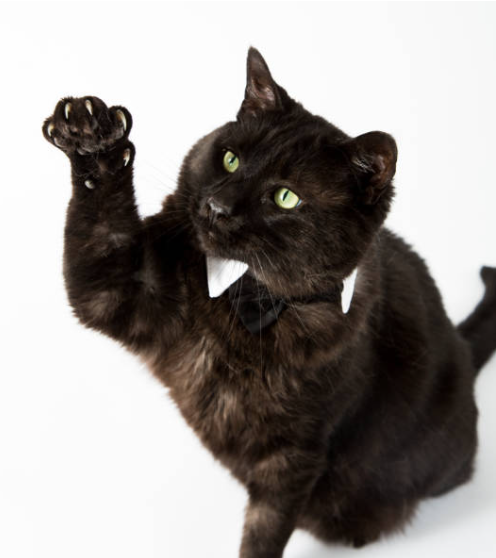
Cats often communicate through physical touch, especially with people they trust. I know my big male black cat Koji, smacks me with his paw every time I walk by him. No claws out – just a “What up bitch?” kind of thing. He’s my big baby boy that one. He’s very protective of me, and loyal as hell. What else can you expect from a Scorpio kitty?

  • Head Butting and Nuzzling: When your cat rubs their face against you, they’re marking you with their scent, a behavior known as “bunting.” This is a sign of affection and ownership—your cat is essentially claiming you as part of their family.
  • Kneading: This behavior, where a cat pushes their paws against a soft surface (like your lap), is often a sign of contentment. It’s a behavior that originates in kittenhood when cats knead their mother to stimulate milk flow. When they do this to humans, it’s a sign they feel safe and comfortable.
  • Playful Biting: Sometimes, cats will give gentle bites when playing or showing affection. These are usually soft and don’t break the skin, unlike a defensive bite, which is a clear sign to back off.

Communicating Needs and Moods

Beyond vocalizations and body language, cats have certain behaviors that communicate their wants and needs.

  • Bringing “Gifts”: If your outdoor cat brings you a dead mouse or bird, they’re not trying to gross you out—they’re demonstrating their hunting skills and offering you a share of their prize. It’s their way of showing they care!
  • Scratching: While scratching is a natural feline behavior for maintaining their claws, it’s also a way for cats to mark territory. If your cat scratches furniture or other objects, they’re leaving both a visual and scent mark.
  • Lying Belly-Up: When a cat exposes their belly, they’re showing vulnerability and trust. While it’s tempting to rub their belly (as you would with a dog), many cats don’t appreciate this gesture and might react by swatting or biting. This is a very sensitive area for many cats. Respect this posture as a sign of trust, but tread carefully!

How to Talk Back

Once you start decoding your cat’s signals, it’s essential to respond in ways that reinforce positive communication.

  • Mimic Slow Blinks: If your cat gives you a slow blink, try returning it! It’s a way of signaling that you understand and reciprocate their trust and affection.
  • Respect Their Boundaries: Just like humans, cats have different comfort zones. If your cat is signaling that they need space, give it to them. NEVER force interaction. You need to let them come to you, on their own terms.
  • Positive Reinforcement: When your cat communicates their needs and you respond correctly—like feeding them when they indicate hunger or playing with them when they’re playful—you build a stronger, more harmonious relationship.

Cats may not speak with words, but their communication is rich and varied. By paying close attention to their vocalizations, body language, and behavior, you can better understand their needs and feelings. The more attuned you are to these signals, the more fulfilling your relationship with your little fluff ball will be. Understanding how your cat talks to you is the key to a happy, healthy, and loving bond.

So next time your cat gives you that particular meow or flicks their tail a certain way, you’ll know exactly what they’re trying to say!

Ciao,

Posted on Leave a comment

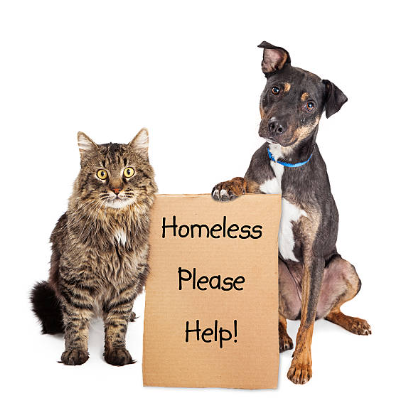
How You Can Make a Difference – Please DONATE!


Your support can save lives. Animal shelters play a vital role in our communities, offering a safe haven for stray, abandoned, and neglected animals. They provide these animals with shelter, food, medical care, and the opportunity for a new life through adoption. However, the work of animal shelters doesn’t come without a cost, and many rely heavily on the generosity of the public to continue their essential work. By donating to animal shelters, you’re not just giving money—you’re offering hope to thousands of animals in need.

Why Donating Matters

  1. Rescuing Animals in Need Every year, millions of animals enter shelters across the country. Many come from abusive environments, are abandoned, or are simply lost. Shelters provide them with a second chance—a fresh start in a loving environment. Your donation helps provide the necessary resources for these shelters to care for these animals and prepare them for adoption.
  2. Improved Animal Care and Medical Treatment Animals in shelters often require medical attention. From vaccinations to surgeries and treatments for illnesses, these expenses can quickly add up. Donations to shelters help cover the costs of veterinary care, making sure that every animal receives the treatment they need to thrive. This means healthier animals, ready to go to loving homes.
  3. Supporting Shelter Operations Animal shelters are not only places for animals to stay but also centers of education, outreach, and community engagement. Running a shelter involves much more than just caring for the animals—it also involves educating the public about responsible pet ownership, conducting adoption events, and maintaining a clean and safe facility. Donations help support these day-to-day operations, ensuring that shelters can continue to provide these services and reach more people in need.
  4. Saving Lives through Adoption Programs Shelters often run adoption programs designed to find forever homes for the animals in their care. By donating, you’re not only helping to keep the shelter running but also ensuring that more animals get the chance to be matched with families who will love and care for them. With the help of your donation, shelters can promote these adoption events, making it easier for potential pet owners to meet their future furry friends.

How You Can Help

There are many ways to donate to animal shelters, and every contribution makes a difference. Here are a few options:

  1. Monetary Donations
    Cash donations, whether large or small, are always appreciated. They provide shelters with the flexibility to use funds where they’re needed most—whether it’s for food, medical supplies, or facility maintenance.
  2. In-Kind Donations
    Shelters often have specific needs for supplies, such as pet food, toys, bedding, cleaning supplies, and more. Many shelters provide lists of their current needs on their websites or social media pages, so you can make sure your donation goes directly to what they need.
  3. Sponsorships and Fundraising
    Some shelters offer programs where you can sponsor a specific animal, covering its care for a period of time. If you’re not able to commit to a full-time adoption, this is a great way to make a tangible difference in an animal’s life. Additionally, shelters often host fundraising events, and getting involved or creating your own fundraiser can be a powerful way to raise awareness and gather donations.
  4. Volunteer Your Time If you’re not able to donate money, your time and effort are equally valuable. Volunteering at your local shelter can be just as important as financial donations. Shelters often need help walking dogs, cleaning kennels, and providing socialization for animals. Volunteering helps reduce operational costs and directly supports the animals under their care.

The Ripple Effect of Your Donation

The impact of donating to an animal shelter extends beyond just the animals that receive direct care. It helps raise awareness in the community about animal welfare, encouraging others to get involved, whether through adoption, volunteering, or donating. It fosters a compassionate society where people understand the importance of responsible pet ownership, and animals are seen as beloved companions rather than disposable commodities.

Final Thoughts

In conclusion, donating to animal shelters is one of the most meaningful ways you can make a difference in the lives of animals. Your generosity helps shelters provide food, medical care, shelter, and, most importantly, the opportunity for a better life. Whether you donate money, supplies, or time, every act of kindness plays a significant role in creating a more compassionate world for animals. Together, we can make sure that fewer animals go without love, safety, and the chance for a happy future.

So, the next time you’re thinking about giving, consider donating to your local animal shelter. It’s a gift that not only helps animals in need but also brings joy and fulfillment into your own life, knowing that you’ve made a positive difference.

Posted on Leave a comment

The Kitty Swipe

If you’re a cat owner, you’ve likely experienced that playful yet slightly alarming moment when your feline friend swipes at your legs as you walk by. You might wonder if they’re trying to play, communicate, or just assert their dominance. Let’s delve into the reasons behind this behavior and what it means for your relationship with your furry companion.

  1. Instinctual Behavior

Cats are natural predators, and their instinct to pounce and swipe is deeply ingrained. In the wild, they would use these actions to catch prey. When you walk by, your movement may trigger their hunting instincts, prompting them to “attack” in a playful manner. This behavior mimics their natural predatory actions and allows them to engage in a bit of exercise.

  1. Playfulness

Cats are playful creatures, and swiping at you can be a way for them to initiate play. If your cat is feeling energetic, they might see you as a fun target to engage with. This behavior is especially common in younger cats and kittens, who often have bursts of energy and a strong desire to play. They might be inviting you to join them in a game of chase or to interact more directly.

  1. Attention Seeking

Sometimes, a swipe can be a call for attention. If your cat is feeling neglected or wants some interaction, swiping at you can be their way of saying, “Hey, look at me!” This is especially true if they associate your movement with feeding time or playtime. If you’ve been busy or preoccupied, your cat may decide to remind you of their presence with a playful swipe.

  1. Territorial Behavior

Cats are also territorial creatures. If you’ve recently moved or rearranged furniture, your cat might be feeling a bit uncertain about their territory. Swiping at you could be a way to assert their presence and remind you that this is their space. It’s a way of saying, “I’m here, and I’m in charge!”

  1. Affection and Bonding

Believe it or not, swiping can sometimes be a sign of affection. In the world of cats, playful swipes can be a friendly gesture, much like how they might bat at each other during play. It’s their way of engaging with you and can even be seen as an invitation to interact. If your cat follows up a swipe with purring or rubbing against you, it’s likely they’re feeling affectionate.

  1. Frustration or Annoyance

On the flip side, if your cat swipes at you in a more aggressive manner, it might be due to frustration or annoyance. Maybe they were enjoying a cozy spot and felt disturbed by your passing. It’s essential to pay attention to their body language; a twitching tail or flattened ears could signal that they’re not in the mood for interaction.

Tips for Managing the Swipe

If you find your cat’s swiping behavior a bit too much, here are a few tips to help manage it:

  • Engage in Play: Regular playtime can help expend some of their energy and reduce the urge to swipe. Use toys that mimic prey, like feather wands or laser pointers.
  • Create a Safe Space: Ensure your cat has plenty of cozy spots to retreat to where they feel secure, which can help reduce territorial aggression.
  • Observe Their Mood: Learn to read your cat’s body language. If they seem agitated, it might be best to give them some space.
  • Redirect Their Energy: If your cat swipes at you while you’re walking, try to redirect their energy to a toy or scratching post instead.

Conclusion

While it can be surprising when your cat swipes at you, understanding the reasons behind the behavior can help strengthen your bond. Whether it’s instinctual, playful, or a call for attention, knowing how to respond can lead to a more harmonious relationship with your feline friend. So the next time you feel that playful swipe, remember—it’s just your cat’s way of saying “hello” (or “let’s play!”).

Ciao,

Posted on Leave a comment

Want Calmer Vet Visits? Try Gabapentin

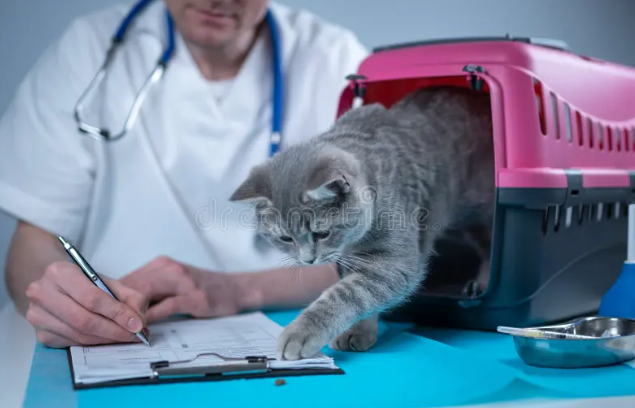
Taking kitty to the vet can be a stressful experience for both of you. The sounds, smells, and unfamiliar environment can trigger anxiety in even the calmest of cats. Many veterinarians are now using Gabapentin, a medication usually intended for us humans – to calm cats before their visits. Let’s explore what Gabapentin is, how it works, and why vets are turning to this medication to make  visits to the Doc a much better experience for all involved.

What Is Gabapentin?

It’s technically an anticonvulsant and nerve pain medication commonly prescribed for humans to treat conditions like epilepsy, neuropathic pain, and restless leg syndrome. In recent years, veterinarians have discovered that Gabapentin has a calming effect on cats (in doses made exclusively for cats), making it extremely useful for reducing anxiety and stress during vet visits or even times when you’re traveling or grooming your cat.

How does it work in cats?

It affects the neurotransmitters in their little kitty brain that play a role in pain perception and anxiety. The exact mechanism isn’t fully understood, however, it is believed that Gabapentin calms cats by reducing nerve activity in their brain, which helps to ease anxiety and create a sense of calmness.

Cats metabolize Gabapentin differently from humans. The dosages prescribed by vets are carefully calculated based on the cat’s weight, age, and health status. Typically, the medication is administered a few hours before the vet visit to give it enough time to take effect.

Why it’s highly recommended by Vets

Many vets recommend Gabapentin for cats who show signs of severe anxiety, stress, or aggression during vet visits. Here are a few reasons why it has become a go-to solution:

  • It Minimizes Stress: Gabapentin helps reduce the cat’s fear and anxiety, leading to a calmer experience at the vet. This makes it an easier, safer, more pleasant experience for both doctor and cat. Your Vet is able to treat your baby without the added stress of your cat being frightened or worse – aggressive.
  • It Reduces Aggression: Cats can become defensive when they’re scared. Gabapentin helps prevent aggressive behaviors like hissing, scratching, or biting, making the visit safer for both the cat and the veterinary staff.
  • It Eases Physical Discomfort: Cats that suffer from chronic pain, such as arthritis, may benefit from Gabapentin as it also has pain-relieving properties. This can be especially helpful if the vet visit involves a physical examination or procedures that might cause discomfort.
  • It Enhances Overall Well-being: By reducing the stress associated with vet visits, Gabapentin can help improve the overall well-being of the cat. Lowering stress levels can have long-term positive effects on their health.

So, How Do You Administer This Magic Potion?

It’s usually given in liquid or capsule form. I prefer the liquid myself. I mix it right in with their wet food which they get twice a day, morning and evening. My Vet recommends giving the medication 1-2 hours before the vet visit or even one dose the night before and the morning of. Remember, as with any doctors orders, it’s imperative that you follow your vet’s instructions carefully.

Kitty needs the FULL PRESCRIBED DOSE for the medication to be effective. This can sometimes be challenging, as cats are known to be finicky about taking medicine. I recommend mixing the liquid (yes – get the liquid form!) in with their wet food. If your cat doesn’t eat or like wet food, then you may be in for a rougher time. You can always use one of those syringes and put them in “Buritto Hold” and squirt it into the side of their mouth.

Are There Side Effects?

As with any medication, for cats, dogs, humans or Guinea Pigs, side effects may occur. I don’t know if you’ve ever read the paper that comes with any medication that you personally take. The list of side effect is sometimes rather scary. Does that deter you from taking it? I daresay in most instances folks just toss that info and take what the doctor prescribed. Same with Gabapentin and cats. Your Vet won’t prescribe something for Precious that’s gonna kill ‘im or ‘er. Some – mind you, some – cats get overly drowsy, which is mild and temporary. Some cats will experience slight unsteadiness or coordination issues. It’s also been found that in some RARE cases, more serious side effects like vomiting, diarrhea, or allergic reactions can occur. If you notice any of these (again I stress) RARE symptoms – get in touch with your Vet immediately.

Be sure and let your Vet know about any other medications or supplements your cat is taking as well. Gabapentin can interact with other drugs. Same goes for us humans!

In Conclusion

Gabapentin really is a valuable tool for calming your cat before vet visits, making the experience less stressful for both the cat and the veterinary team. But don’t take all this as Gospel. If this topic interests you, please, please, PLEASE – talk to your favorite Veterinarian about it. So take heart my friends. With the right approach, it’s possible to make trips to the vet a much more pleasant experience for you and your kitty.

If you found this post helpful, share it with other cat owners who might benefit from learning a bit about Gabapentin as an option for calming their pets during vet visits. Your feline friend’s next trip to the vet could be much smoother and stress-free!

Ciao,